
Wage Gap
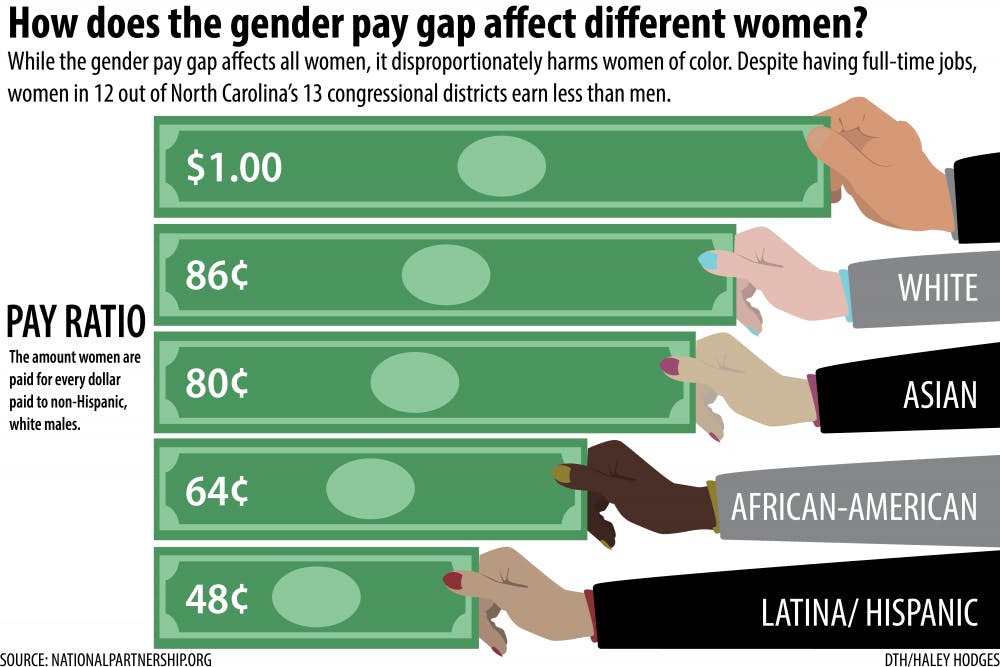
The median salary for men is roughly 19 percent higher than the median salary for women. This figure represents a 2 percent improvement from 2019 and a 7 percent improvement from 2015, when the median salary for men was roughly 26 percent higher than the median salary for women.
What is the gender pay gap once all compensable factors such as experience, industry and job level are accounted for? It’s not zero.
According to Bureau of Labor Statistics data, in 2020, women’s annual earnings were 82.3% of men’s, and the gap is even wider for many women of color. Though women only made 57 cents per dollar earned by men in 1973 when a Department of Labor PSA was made where batgirl teaches batman about equal pay, progress has stalled and we are still far from closing the pay gap.
Though women now outpace men in higher education, women also hold nearly two-thirds of the outstanding student debt in the United States and because of the gender pay gap, women have a harder time repaying loans. The pay gap even follows women into retirement. As a result of lower lifetime earnings, they receive less in Social Security and pensions. In terms of overall retirement income, women have only 70% of what men do.


