PPE Complications
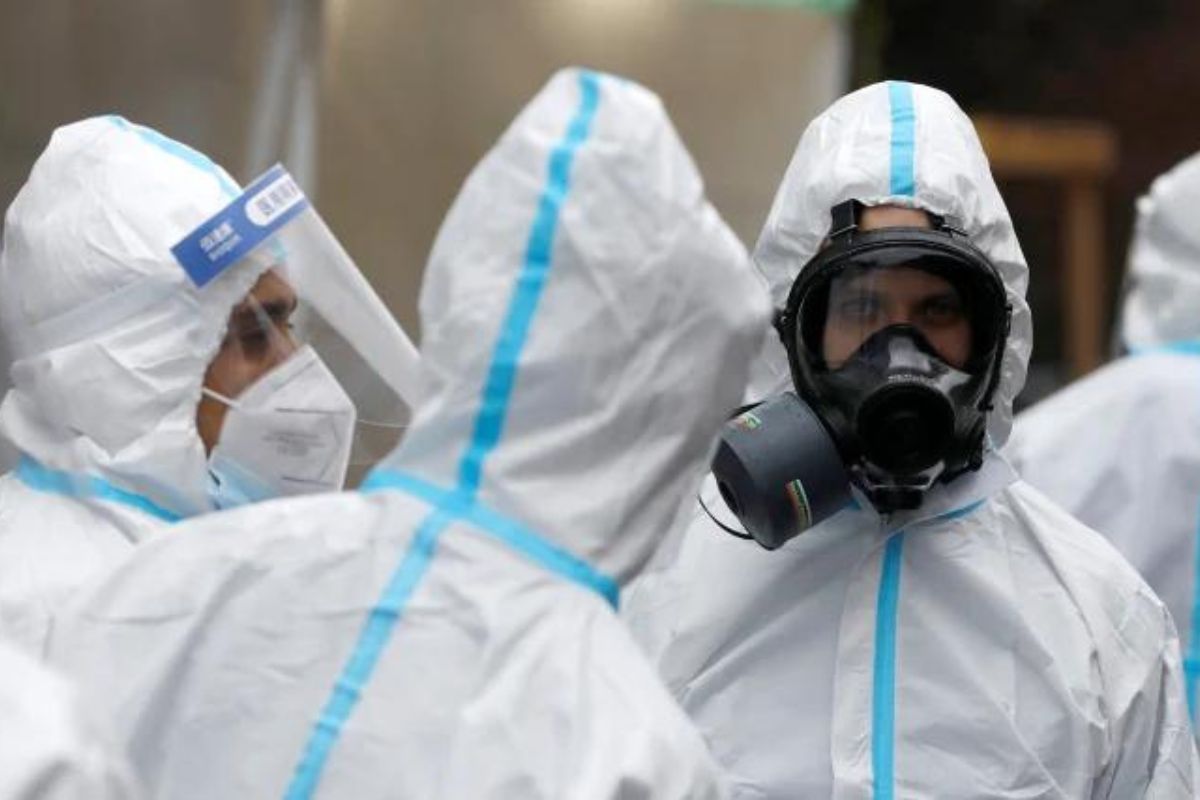
Personnel wearing PPE are likely to encounter a number of potential problems, including limited visibility, reduced dexterity, claustrophobia, restricted movement, suit breach, insufficient air supply, dehydration, and the effects of heat and cold. Only individuals who are physically fit and have met the OSHA/NIOSH/NFPA training requirements should be wearing PPE during an incident. Proper donning and doffing procedures must be followed, with assistance from other onsite personnel. Medical surveillance evaluations should be conducted on all personnel both before and immediately after their use of PPE. Personnel not meeting prescribed inclusion criteria set by the hazmat team or by the EMS Medical Director should be reassigned to an area not requiring the use of PPE. The actions of all personnel wearing PPE should be closely observed by the Safety Officer and others during each work period. In addition, an emergency distress signal should be identified in the briefing before individuals enter the work area. Following the completion of technical decontamination, all personnel should be examined to ascertain marked changes in health. Appropriate medical care should be initiated when illness or injury is discovered.