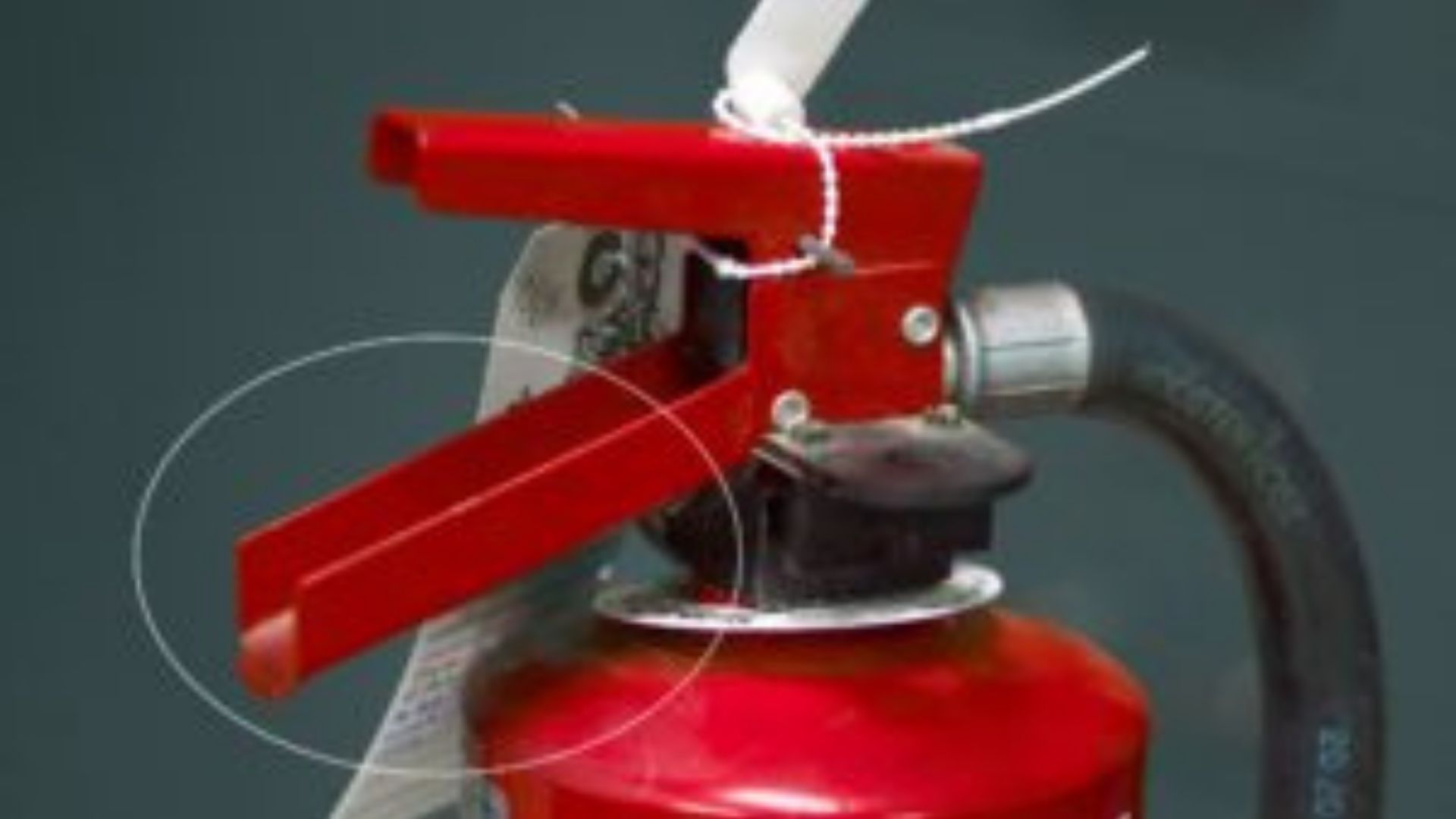
Operating Lever
Operating Lever
The operating lever, sometimes referred to as a discharge lever, is a handle located on the front or top of the fire extinguisher. Squeezing this lever is the primary method to release the extinguishing agent. Here's a breakdown of its operation:
- Discharge Activation: Squeezing the lever triggers the internal mechanism, allowing the pressurized agent to flow out of the extinguisher through the hose and nozzle.
- Maintaining Pressure: While holding the lever squeezed, the extinguishing agent continues to discharge.
- Releasing the Lever: Once you release the lever, the discharge stops, and the remaining agent stays pressurized within the extinguisher.
Using the Operating Lever Safely:
When operating a fire extinguisher, follow these general steps:
- Pull the Locking Pin: Before squeezing the lever, ensure the locking pin is removed, typically indicated by a broken tamper seal.
- Squeeze the Lever Firmly: Grasp the lever firmly and squeeze it completely to initiate the discharge of the extinguishing agent.
- Maintain Control: While squeezing the lever, maintain a steady grip on the handle for proper control while aiming the extinguisher.
- Follow PASS Method: Coordinate squeezing the lever with the PASS method (Pull, Aim, Squeeze, Sweep) for effective fire suppression.
Importance of Proper Lever Use:
Squeezing the operating lever correctly is crucial for safe and effective fire extinguisher operation. Here's why:
- Controlled Discharge: Proper lever control allows for a steady and controlled discharge of the agent, maximizing its effectiveness on the fire.
- Safety During Discharge: Maintaining a firm grip on the lever while discharging minimizes the risk of accidental release or loss of control of the extinguisher.
- Efficient Agent Use: By releasing the lever when finished, you conserve the remaining agent within the extinguisher, potentially useful for re-flashing embers.