Hose
Hose
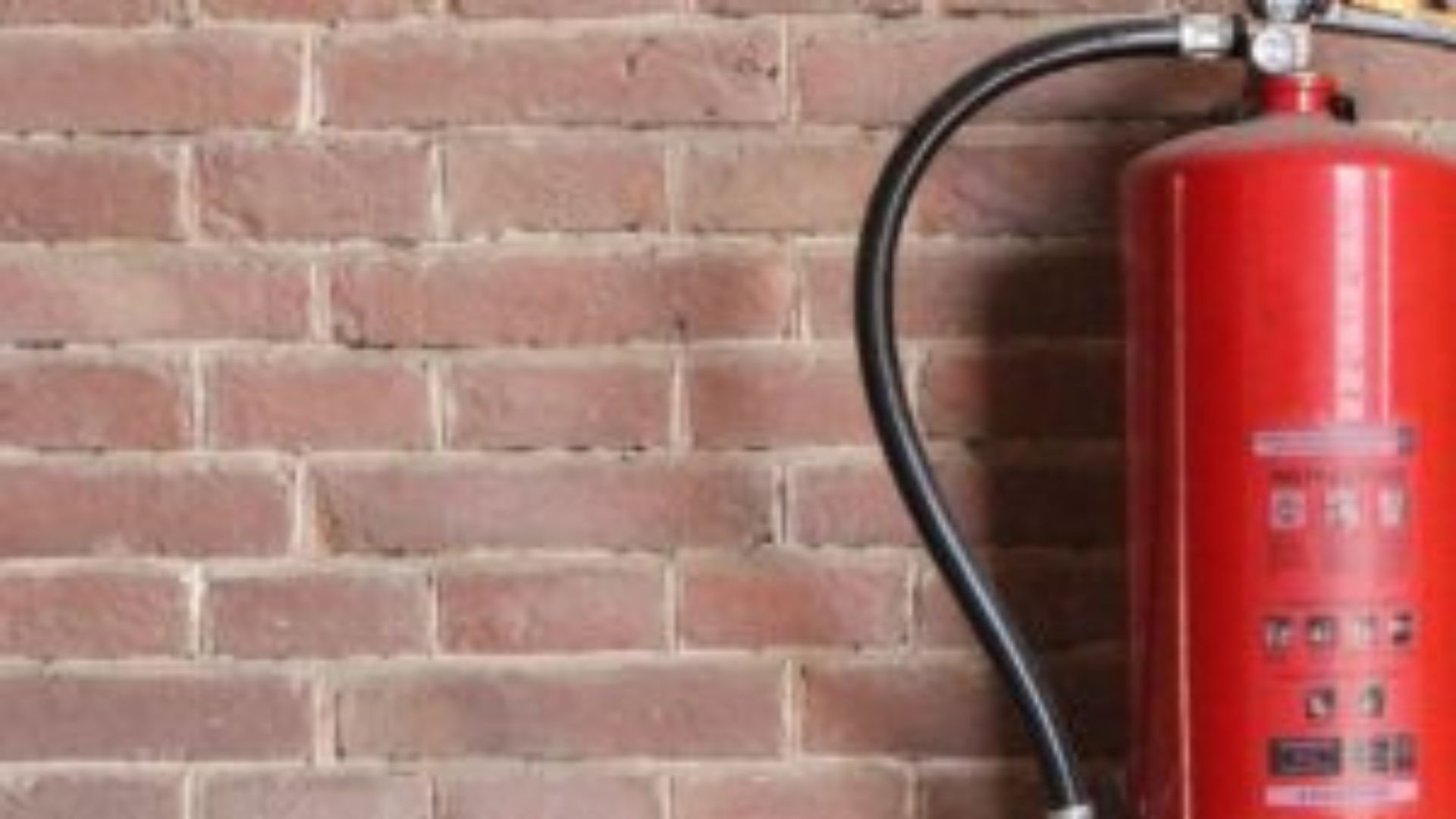
The discharge hose is a flexible tube typically made of rubber or synthetic materials. It connects the pressurized cylinder of the extinguisher to the discharge nozzle. Here's how it functions:
- Agent Delivery Channel: Once the extinguisher is activated, the pressurized agent travels from the cylinder through the discharge hose.
- Maneuvering and Control: The flexible hose allows for some maneuverability during extinguisher operation, enabling you to aim the nozzle at the base of the fire.
Using the Discharge Hose Effectively:
When using a fire extinguisher, follow these general guidelines for the discharge hose:
- Avoid Kinks or Twists: Ensure the hose is free from any kinks or twists that could impede the flow of the extinguishing agent.
- Maintain a Safe Distance: Stand at a safe distance (approximately 6-8 feet) from the fire while holding the hose.
- Utilize the PASS Method: Coordinate using the hose with the PASS method (Pull, Aim, Squeeze, Sweep) for effective fire suppression.
Importance of the Discharge Hose:
The discharge hose plays a vital role in directing the extinguishing agent to the fire. Here's why it's important:
- Effective Agent Delivery: A functional discharge hose ensures the pressurized agent reaches the fire source for proper suppression.
- Maintaining Safe Distance: The hose allows you to maintain a safe distance from the heat and flames while extinguishing the fire.
- Maneuverability: The hose's flexibility provides some control for aiming the nozzle at the base of the fire.